Bloom by Rail: Join Hands-On Wildflower Discovery
Step aboard and discover how citizen science wildflower surveys you can reach by train transform everyday rail journeys into meaningful ecological action. We’ll guide you from platform to meadow, helping you identify plants, collect dependable data, and support conservation while traveling lightly and affordably. Along the way, you’ll meet welcoming communities, learn practical methods, and turn quiet station walks into records that strengthen restoration projects, climate insights, and local pride.

Plan a Flower-Focused Journey by Train

Use timetables, local biodiversity maps, and station-area walking routes to stitch together a low-carbon field day that starts and ends on predictable trains. We’ll show how to locate meadows, verges, and reserves within a short walk, secure permissions where needed, and coordinate with ongoing monitoring efforts to make every observation count. Thoughtful planning reduces surprises, keeps costs reasonable, and ensures your presence benefits habitats rather than burdens them.

Choosing a Line with Blossoming Stops

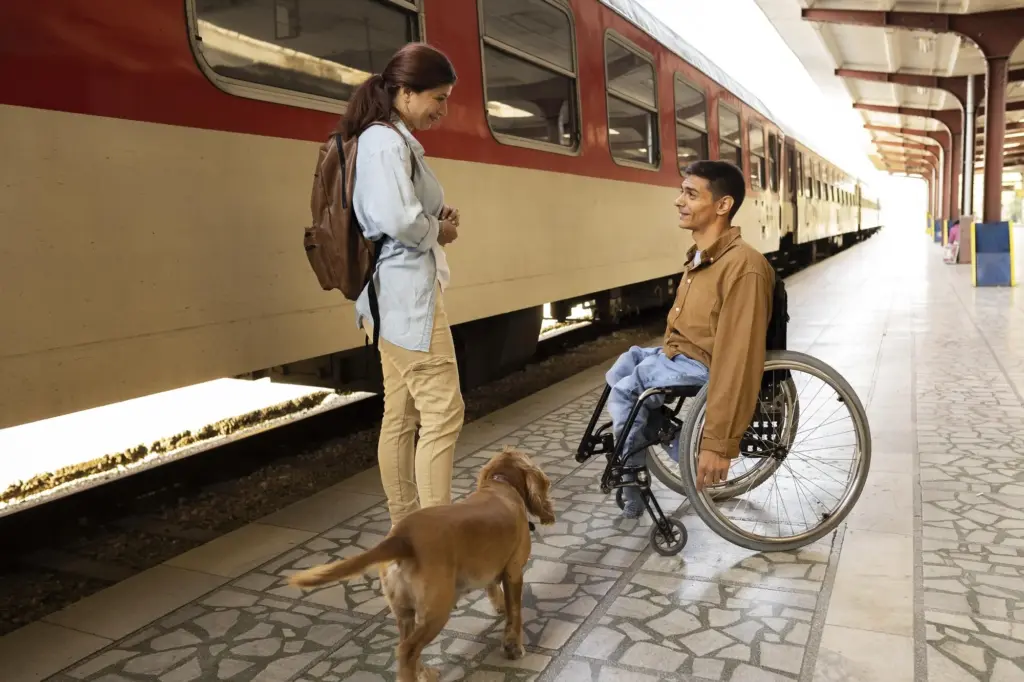
Scan seasonal reports, herbarium records, and citizen platforms to find corridors where rail rights-of-way, nearby commons, or coastal dunes flourish in spring and summer. Favor routes with frequent services, safe station exits, and circular footpaths linking several habitats within easy daylight windows. Prioritize lines with accessible platforms, clear signage, and cafes or shelters that keep spirits high when weather turns unexpectedly challenging.

Packing Essentials for Reliable Notes

Keep weight low with a small hand lens, weatherproof notebook, phone with spare power, printed grid maps, and a compact ruler. Add biodegradable flagging, sunscreen, and water. Prioritize pencils over pens in damp air, and carry envelopes for tiny specimens when permissions explicitly allow vouchers. A light first-aid kit, spare socks, and snack reserves help maintain focus through long, rewarding identification sessions.

Syncing with Local Groups and Rangers

Before traveling, message community botanists, park rangers, or railway biodiversity officers about access, sensitive species, and priority gaps in records. Agree on methods, upload targets, and tagging conventions. Shared expectations prevent duplicated effort and protect locations that require discretion or seasonal avoidance. A quick pre-trip call can unlock insider tips about path conditions, water levels, or rare blooms on the cusp of opening.

See, Compare, Confirm: Identification That Holds Up
Practice distinguishing look-alikes using regional keys, side-by-side photographs, and clear field sketches captured right beside the plant. Emphasize leaves, stems, and habitat context more than fleeting blooms. Commit to uncertainty codes when unsure, inviting expert review without losing momentum or curiosity. Small, honest details transform casual sightings into dependable evidence that researchers and land managers can trust in planning decisions.

From Observation to Evidence

Scientists value observations that include dates, precise coordinates, phenological stage, estimated abundance, habitat notes, and method descriptions. Whether you sample along a timed transect or document incidental finds, record consistently. Clean duplicates, flag cultivated escapes, and license data for open reuse so findings travel further. Transparent notes help future analysts replicate conditions, compare stations, and build richer stories from modest rail-linked datasets.
Add station name, nearest line, and access notes, plus weather, soil moisture, and companion species. These fields provide context for future analyses on pollinator support, drought responses, or urban heat effects, turning a lone flower portrait into robust, reusable ecological evidence. Include observer initials and effort duration so cumulative datasets track participation intensity alongside biological change.
Try quadrats, fixed-distance walks, or point-intercept photos, balancing rigor with the spontaneity that keeps volunteers engaged. Even playful routines become powerful when repeated each month from the same platform path, revealing subtle seasonal shifts and long-term resilience patterns. Document deviations candidly so interpretations remain sound, and celebrate small wins that anchor habits through busy schedules.

Respecting Land and People

Learn countryside codes, understand seasonal livestock needs, and greet farmers or wardens with courtesy. Avoid blocking driveways, and step aside for others on narrow tracks. Cultural respect builds trust, unlocking repeat access and collaborative stewardship around stations serving fragile, biodiverse landscapes. Offer thanks, share results later, and become a familiar, considerate face welcomed back.

Staying Safe and Comfortable Outdoors

Prepare for variable weather with layers, hat, and waterproofs; learn tick prevention; and pace hikes to match return timetables. Share your plan with a friend, carry a whistle, and store emergency contacts offline so a missed signal never becomes a crisis. Hydrate early, snack often, and track time to keep minds sharp for accurate identifications.

A Surprise Orchid by the Suburban Siding

I stepped off at an ordinary stop and noticed a pale pink spike rising through gravel between sleepers and fence. Photographs, notes, and careful coordinates turned a pleasant detour into a verified county record that redirected conservation volunteers the very next week. That short wait for the return train became a doorway into stewardship.

Grandparent Tickets, Grandchild Discoveries

We used discounted tickets to explore a fen reachable in two short hops. A magnifier became a magic wand; a notebook, a treasure map. Patience, snacks, and games kept energy high, while our observations filled gaps on late-flowering species missed by weekday surveys. Shared rituals now guide each season’s gentle, curious expeditions.

Community Bonds Forged on Weekend Lines

After posting rail-accessible routes, strangers met on a platform and soon co-led mapping days with shared checklists and picnic breaks. Friendships formed across generations, carrying momentum through poor weather and tricky identifications, ensuring steady contributions even when blooms were scarce. Reliable companionship turned uncertainty into playful problem-solving and durable commitment.

Voices from the Carriage and the Meadow

Real journeys change people as much as they change datasets. A commuter spotted bee orchids beside a seaside platform and now mentors teens each June. Another family rides off-peak to marshes, logging sedges together, transforming weekend screen time into laughter, curiosity, and shared purpose. These stories invite newcomers to try a first ride, first walk, first shared discovery.

Keep Blooming: Share, Mentor, and Return

{{SECTION_SUBTITLE}}

Start a Station Circle
Pick one station as a monthly meeting point, invite neighbors, and rotate short loops across habitats within walking distance. Shared calendars, photo folders, and species targets create rhythm and accountability, while low fares and short journeys lower barriers for busy or budget-conscious participants. Celebrate milestones publicly to welcome fresh voices and ideas.

Host a Friendly Verification Night

Gather riders after work near a station cafe, project photos, and walk through tricky identifications together. Experts explain features, novices ask bold questions, and everyone updates records live, turning doubt into learning and producing cleaner datasets that support decisions. Short lightning talks showcase methods that improve accuracy without dampening wonder.