All Aboard for Blossoms: Easy Rail Trails for Every Generation
Step off the train, breathe the sweet green air, and follow converted rail corridors bursting with color. Today we’re exploring Family-Friendly Rail Hikes to Spring Wildflower Hotspots, where gentle grades welcome strollers, curious kids, and grandparents alike. Expect easy station access, picnic-ready views, and petals transforming every mile marker into celebration. Share your favorite blossoms, subscribe for regional bloom alerts, and let these rails guide your next bright, memory-making day together.

Choosing the Right Rails-to-Trails Path for Kids
Gentle Grades and Short Segments

Former rail lines naturally keep inclines mild, making them ideal for beginners, toddlers, and grandparents pacing together. Choose segments two to four miles round trip, with clear turnaround points near benches or views. Short bursts of beauty keep spirits high, prevent meltdowns, and invite more conversation, scavenger hunts, and snack breaks beside bright, wind-tossed petals.

Stations with Amenities and Safe Crossings

Former rail lines naturally keep inclines mild, making them ideal for beginners, toddlers, and grandparents pacing together. Choose segments two to four miles round trip, with clear turnaround points near benches or views. Short bursts of beauty keep spirits high, prevent meltdowns, and invite more conversation, scavenger hunts, and snack breaks beside bright, wind-tossed petals.

Bloom Windows and Microclimates

Former rail lines naturally keep inclines mild, making them ideal for beginners, toddlers, and grandparents pacing together. Choose segments two to four miles round trip, with clear turnaround points near benches or views. Short bursts of beauty keep spirits high, prevent meltdowns, and invite more conversation, scavenger hunts, and snack breaks beside bright, wind-tossed petals.

Packing Light, Bloom-Ready Essentials

Kid-Approved Daypacks and Snack Strategy

Let children carry tiny, confidence-boosting packs with water, trail mix, and a favorite soft toy as a traveling mascot. Build snack rituals at mile markers to anchor motivation and pacing. Choose foods without strong aromas to avoid attracting wildlife, and stash an extra bottle for hand rinses after enthusiastic, sometimes muddy, wildflower close-ups.

Pocket Guides, Apps, and Tiny Tools

A slim regional guide or offline plant ID app turns questions into discoveries. Pair with a child-safe magnifying lens for examining stamens, leaf edges, and fuzzy stems without picking. Slip in pencils and index cards for sketches, quick notes, and bloom tallies, transforming a simple stroll into a portable science lab and traveling art studio.

Weather Swings and Mud-Friendly Footwear

Spring can pivot from cool mist to bright sun in a station’s shadow. Choose quick-drying layers, pack a spare pair of socks, and favor grippy soles that handle crushed gravel, damp boards, and occasional puddles. A small microfiber towel doubles as seat cover, cleanup cloth, and picnic helper when wildflowers lure you to linger longer.

Trackside Awareness Games for Curious Kids

Turn safety into play by spotting signals, counting crossbuck signs, and practicing freeze-and-point drills at intersections. Invent soundscapes: what do birds, distant trains, and wind in grasses say? Games keep attention engaged while teaching the reflexes that matter most—look, listen, pause—so exploration stays confident, calm, and joyfully focused on petals and people.

Trail Etiquette That Keeps Flowers Thriving

Teach children to admire blooms without picking, step around damp trail edges, and pass others with friendly warnings. Demonstrate how photos, sketches, and respectful distance preserve color for everyone. Pack out every crumb and wrapper, celebrate volunteer crews aloud, and show that good manners help fragile meadows, busy families, and buzzing pollinators flourish together.

Emergency Plans Mapped to Stations

Before leaving the platform, mark nearest stations, mileposts, and exit points on a simple card. Share a meeting spot and confirm phone battery levels. A small first-aid kit, whistle, and printed map empower quick responses if weather turns, knees scrape, or energy dips, making resilience feel like part of the day’s shared adventure.

Learning Through Petals: Games, Stories, and Curiosity
Every bloom can launch a question, sketch, or tale. Create scavenger hunts by color, shape, and scent. Weave short histories of the railroad while children trace leaf veins and watch pollinators. Journals, pressed-leaf rubbings, and family storytelling turn modest mileage into meaningful discovery, deepening patience, observation, and shared pride in gentle, respectful exploration.

Story Seeds at Mile Markers

Assign each milepost a prompt: a hero bee on a rescue mission, a grandmother teaching plant names, a conductor guiding spring. Children add sentences as they walk, weaving petals into plot. Collaborative storytelling keeps feet moving, ears open, and family voices harmonizing like birdsong along a corridor bright with returning light.

Pollinator Spotting Without Disturbance
Challenge kids to count species from a respectful distance: bees, butterflies, beetles, and hummingbirds. Practice stillness, quiet observation, and timed breaths while colors flicker across blossoms. Explain how nectar stops fuel migrations and gardens. This gentle watching builds empathy, patience, and science skills while keeping delicate wings unbothered and blooming patches perfectly undisturbed.

Color Wheels and Sketch Stops

Carry a homemade color wheel to match petals, leaves, and lichen. Pause for two-minute sketches beside benches or bridges, noting shapes rather than perfection. Celebrate every scribble as data and memory. Small art moments amplify focus, reduce hurry, and help families notice subtleties hidden between ties, timetables, and rippling, dew-bright grass.

Itineraries by Region and Peak Bloom Timing

West Coast Coastal Bluffs and Lupine Lines
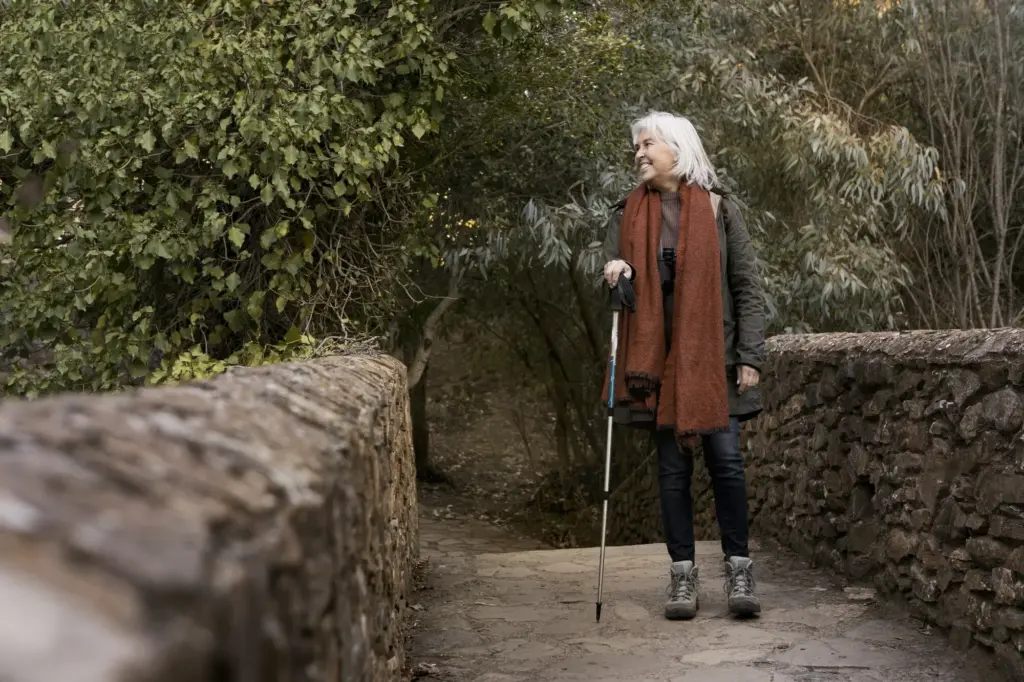
Former logging and freight corridors like Oregon’s Banks–Vernonia Trail often feature spring trillium, red currant, and candyflower beneath conifers, while coastal segments see lupine and poppy as fog lifts. Start near family-friendly trailheads with bathrooms, then follow creek-side miles where wood bridges, gentle trestles, and bright banks sparkle after late seasonal rains.

Midwest Prairies and Quiet Depots

Look to Illinois Prairie Path or Minnesota’s Lake Wobegon Trail for evolving prairie color, from shooting star and pasque flower to later coneflowers. Old depots anchor easy parking, while long sightlines simplify supervision. Morning outings beat heat and wind, and nearby towns promise ice cream rewards that make every mile feel doubly sweet.

East Coast Woodlands and Heritage Corridors

Virginia’s High Bridge Trail and stretches of Massachusetts’ emerging Mass Central Rail Trail offer forgiving grades lined with spring ephemerals, including bluets, violets, and occasional trillium. Broad bridges create airy vistas, yet trailheads remain accessible. Confirm bloom windows with state park updates, then pair a short walk with museum stops celebrating rail heritage.

Memories on the Move: Traditions, Photos, and Sharing
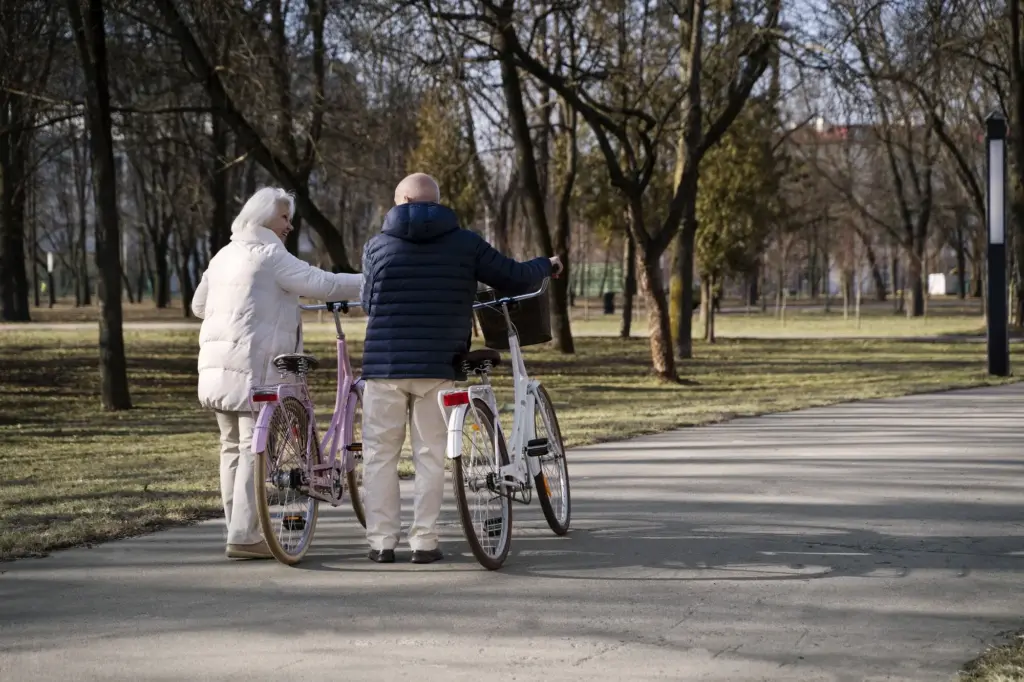
Rituals make outings unforgettable. Snap a family shoe circle beside the first blossom, record a giggle-filled sound clip near a trestle, or stamp journals with leaf rubbings. Back home, post your favorite moments, trade tips in comments, and subscribe for future bloom calendars, trail updates, and gentle itineraries that fit growing legs perfectly.