Wildflowers Within a Roll: Station Stops that Bloom
Today we focus on wheelchair-accessible wildflower walks located within an easy, barrier-aware roll from commuter rail stops, celebrating routes where blossoms meet timetables. Expect clear guidance on surfaces, gradients, and entry points, plus lived stories from riders who trade ten quiet minutes off the platform for petals, birdsong, and restorative color. Bring your curiosity, pack light but smart, and discover how elegantly a train ride can become a nature visit that respects mobility, dignity, and joy.

From Platform to Petals: The First Hundred Meters

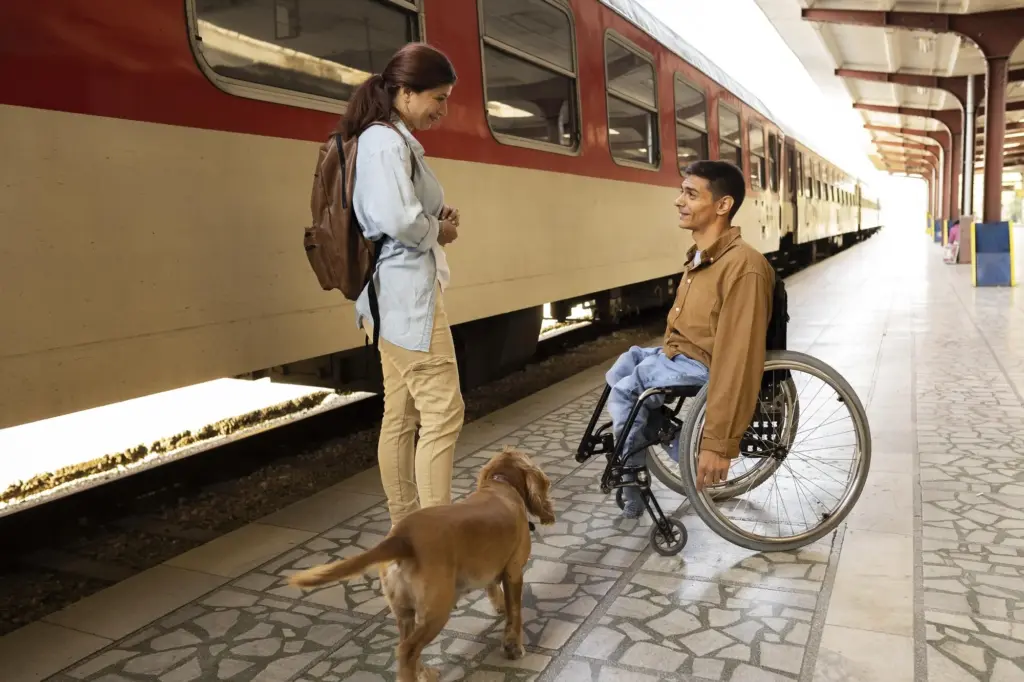
The first stretch after stepping off the train sets the tone for a restorative stroll, so we map routes where elevators work, curb ramps align with crosswalks, and sidewalks offer gentle cross-slopes and predictable surfaces. Think tactile paving guiding decisions, clear signage pointing to parks, and signal timing long enough for an unhurried roll. With a little pre-trip curiosity, those first hundred meters dissolve anxiety, making space for scent, color, and the small thrill of finding daisies edging the station fence.

Reading a Station Like a Trailhead

Treat the concourse as your trail register: scan for step-free exits, elevator status boards, and posted detours. Ask staff where the smoothest curb cuts land, and trust your eyes for shiny tiles that may slip when wet. A quick pause to confirm accessible restrooms and refill stations limits later backtracking. That tiny investment buys a relaxed arrival, leaving more energy for flowers and photographs rather than figuring out how to cross that tricky delivery driveway.

Crossings, Curbs, and Camber

Curb ramps are not all created equal, so look for wide aprons, detectable warnings, and shallow lips that will not jolt front casters. Favor intersections with long pedestrian phases and audible signals, especially near busy bus bays. If a sidewalk’s camber tilts chairs toward traffic, detour to the flattest line, even if it adds a minute. Comfort beats speed here, and a smoother roll means hands are steadier when a monarch butterfly drifts into your line of sight.

Surfaces That Welcome Every Wheel

Asphalt paths, well-laid concrete, and compacted stone dust with binder often feel trustworthy under wheels, while loose gravel chews momentum. Scan edges for encroaching roots and patchwork repairs that create sneaky ruts. If rain is forecast, note drains and slight crowns that shed water, keeping you out of puddles. A steady surface frees your gaze to rise from wheel-level hazards to the shimmer of yarrow, chicory, and swaying grass heads that whisper of summer evenings near the tracks.

Packing Smart for Rolling Botanists

Bloom Windows Along the Line

Rail corridors host microclimates, so the calendar hums with staggered color. South-facing cuts warm early, inviting coltsfoot and dandelion to announce spring, while shaded berms hold dew for violets and forget-me-nots. Midseason rides brim with black-eyed susans and chicory by sunny shoulders, while thistles hum with bees. As autumn leans in, goldenrod and aster weave an effortless duet, their seed heads later feeding finches. Knowing these windows transforms scheduling, letting you step off the same train into a different palette each month.

Stories Waiting by the Rails

Between departures and arrivals live moments that anchor memory: meetings with color, kindness, and small bravery. We collect rider accounts because they teach what maps miss—where a gate sticks, which bench catches late sun, how long elevators really take. In these stories, a spare ten minutes opens like a meadow. Wheel tracks curl into a quiet loop, petals brush fingertips, and strangers exchange directions that become friendships. The train returns, and everyone boards changed, pollen-dusted and somehow lighter.

Wayfinding That Works When Schedules Slip

Trains run on rhythms, and so does nature, but delays happen. Reliable wayfinding reduces stress, even when platforms buzz. Before you go, star accessible station exits in your map app, download tiles for offline use, and save a note with elevator IDs and alternate routes. On arrival, confirm grade-friendly sidewalks and scan for construction signage. Choose loops that keep you near frequent service, and mark seating pockets as rest anchors. With resilient navigation, surprises feel like bonus blossoms, not barriers.

Pre-Trip Recon That Saves Energy

Five quiet minutes the night before pays back with an easy rollout. Use satellite view to trace curb cuts, street view to confirm crosswalk buttons, and transit alerts to check elevator maintenance. Call the station if information looks stale; attendants often share details faster than websites update. If a ramp seems steep on imagery, flag a gentler parallel block. Pack those notes into your favorites. Energy conserved at noon becomes extra time beside asters when the light turns kind and gold.

Micro-Navigation on the Move

Once rolling, notice small cues: wheel hum changes tell you when surfaces shift; plant density hints where soil holds moisture and blooms linger. Keep one ear free for bikes approaching and buses turning. If a curb cut misaligns with the crosswalk, pause and reset rather than muscling through. There is grace in choosing the smoother arc. That mindfulness opens space for wonder, like catching ladybugs waking on Queen Anne’s lace while your train’s soft announcement threads through warm air.

Care for Places That Care for You

Accessible nature walks thrive when we move gently. Stay on paved or firm paths where roots rest undisturbed, let seed heads stand for birds, and leave blossoms to do their work. Pack out wrappers and crumbs, and nudge others kindly toward shared care. Snap photos rather than picking, then tag your station and share accessible details so another rider can find that same soft riot of color. Stewardship is gratitude in motion, and gratitude makes every return trip sweeter.

Respecting Roots, Wings, and Wheels

Wildflowers stitch together habitats for butterflies, bees, and ground-dwelling birds, while roots knit soil beside busy corridors. Wheels and feet can honor that work by choosing durable surfaces, yielding space, and skipping shortcuts that carve muddy scars. If a path narrows, wait, smile, and coordinate passage. Offer directions when someone looks lost. That small social grace protects both petals and people, and it sets a tone where everyone—rolling, walking, or toddling—feels invited to notice the pink blush on evening clover.

Joining Hands with Local Stewards

Many stations neighbor friends groups who plant natives, empty litter buckets, and post bloom notes. Consider a lightweight volunteer role: a quarterly photo check of a ramp edge, or a brief report when invasive plants creep. Share wheelchair-specific observations—loose gravel, ponded water, or tight gate latches—so fixes prioritize comfort for all. Collaboration deepens belonging. You arrive a visitor and depart a partner, connected to names, faces, and places that cheer your next blooming detour between trains.